
How Can Professionals Ensure They Select the Right Type of Plywood?

The very act of selecting plywood is a make-or-break decision affecting the fate of the project. Every builder, designer, and contractor, familiar with the impending pressure for making the right choice of sheet within the shortest possible time due to the greater expectations bestowed on them, could relate to this. 

Have you ever stood at a hardware shop staring at options like MR, BWP, structural, or marine plywood, always wondering about an option that truly meets your requirements? You aren’t the only one; many professionals across Australia face the same dilemma every other day. 

When in doubt, deciding to contact Bord Products or another leader for professional advice and clarification is always a good idea. Let’s look into how professionals can ensure they select the right type of plywood?

Understand the Project Requirements

Begin with the question, that is, what exactly this plywood will be used for? The function of the project gives the first clue to the typical use. Different projects require different plywood grades, like wall lining, outdoor decking, or high moisture areas for their cabinets, and high moisture areas in the house. 

For instance, it is structural plywood that is engineered to bear loads; MR plywood works just fine in dry indoor areas. For assistance in determining which category fits your build, please never hesitate to contact pros for tailored recommendations.

Know the Different Plywood Grades

The meanings of A, B, C, and D grades in terms of veneer quality should be known to professionals. An A-grade indicates that the surface is perfectly finished and can be used in showcases or furniture. Whereas lower grades have knots or patches but provide strength. 

Compliance with AS/NZS standards in Australia is critical, especially on commercial projects. If you are ever in doubt about a certain grade appearing on your specification list, you can speak to someone.

Assess Durability and Environmental Resistance

While considering the plywood selection for applications, we should think about the areas for the exposure of that plywood. Moisture, heat, and heavy loading could all affect the plywood. Marine plywood would be the best option for applications in wet areas, while exterior plywood would suit applications outdoors. 

In contrast, structural plywood would suit use in framing and supports. Picking the right type for Australia’s harsh conditions will ensure longevity and safety. 

Evaluate Certification and Sustainability

Designers nowadays have a very serious inclination towards sustainable sourcing. These are the certifications that you should track for your plywood: FSC or PEFC, both of which assure that the plywood comes from responsible forests. There are lots of internal suppliers offering green materials without sacrificing quality. Also, some government or commercial tenders require certified plywood; ensure this is checked beforehand.

Compare Price vs Performance

Sometimes, the so-called cheapest option could prove to be the higher cost in the long run. Rather than just cost, also consider value, strength, durability, finish quality, and lifespan. Performance-rated plywood comes at a cost from the beginning, but it tends to produce better results and thus cuts back on maintenance.Choosing plywood could be easy. By learning about your project needs and grades, and by considering environmental conditions, there are professionals to help you build that confidence every single time.
Common Signs Your Hydraulic Systems Need Professional Attention

Hydraulic systems can easily be referred to as the engine of industry because they power everything ranging from construction vehicles to manufacturing equipment. Since these systems rely on pressurized fluids to deliver enormous amounts of forces, they can handle tough operations easily. 

To achieve optimal functionality, however, these systems must be well maintained because if this does not happen, they can become inefficient and pose safety hazards or risks if not taken to for repairs when showing these indicative signs. Here are five signs that your hydraulic system requires professional repairs.

1. Lower Power or Performance

Power loss – this can be easily identified if you notice your equipment underperforming when it comes to hoisting loads that were previously easily lifted, or if it’s performing with lower forces compared to before. It can result from internal leakage, worn-out pumps, or faulty relief valves that need to be checked and repaired or replaced to prevent your equipment’s efficiency from going downward.

2. Unusual Noises

The hydraulic system runs efficiently with minimal noise. It becomes apparent when there’s unusual sound production, like whining or squeaking noises; therefore, it’s evident that there’s something amiss with your hydraulic system when this happens. Whining sounds can mean that there’s cavitation going on in your system or not enough fluid reaching your pump. Noise production could mean that there’s air inside your system, or something could be faulty.

3. Visible Leaks

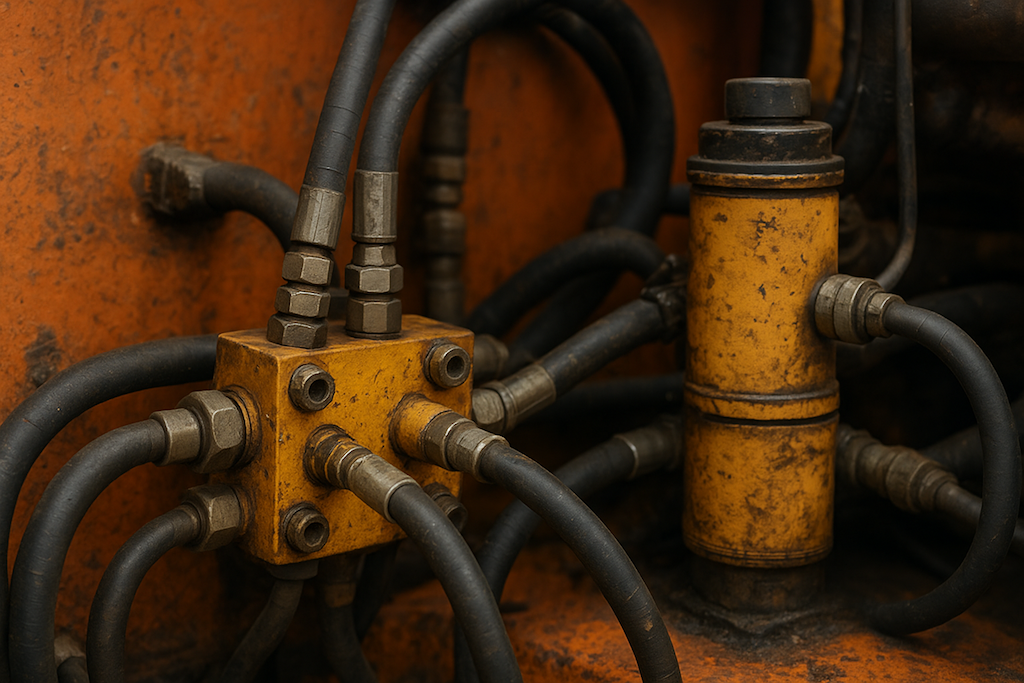
Fluid leaks are problems that need serious considerations when it comes to hydraulic systems. Although a drip may seem insignificant at first, it can cause considerable loss of fluid if left unattended. Losses of fluid could occur due to torn hoses, worn-out seals, or loose fittings. In addition to posing safety hazards and system inefficiencies due to wasted fluid pressure output, fluid leakage can also cost money. It can easily pay for itself with periodic checks for any signs of visible fluid leakage.

4. Overheating

Too much heat can prove to be destructive within a hydraulic system. If the temperature inside a hydraulic system goes beyond the normal range of 180°F (82°C), it can lead to damage to the hydraulic system’s fluid. Heat within a hydraulic system can arise from low fluid level positions, clogged filters, or when too much work is being done with minimal stress on the hydraulic system. It is important to consult hydraulic repair services when your hydraulic system feels abnormally hot or if your temperature gauge shows readings beyond the normal range.

5. Slow or Jerky Operation

Effortless and fluid motion can only occur when a hydraulic system is functioning properly. It can mean that there’s a problem if your equipment starts moving slower or if it becomes erratic and jerky in motion. These problems can originate from air pockets within your hydraulic fluid or perhaps contamination of your hydraulic fluid with other fluids or debris that can clog your hydraulic system.

Maintaining Your Equipment’s Health

By keeping watch for these five indicators: loss of power, unusual sounds, observable leaks, overheating, and sluggish performances, you can identify potential problems with your hydraulic systems before you find yourselves facing catastrophic failures. The only foolproof method to keep your equipment running at optimal performances safely and efficiently is to pay heed to these alerts before they develop into major problems.

5 Signs You Need Erosion Control for Your Home or Business

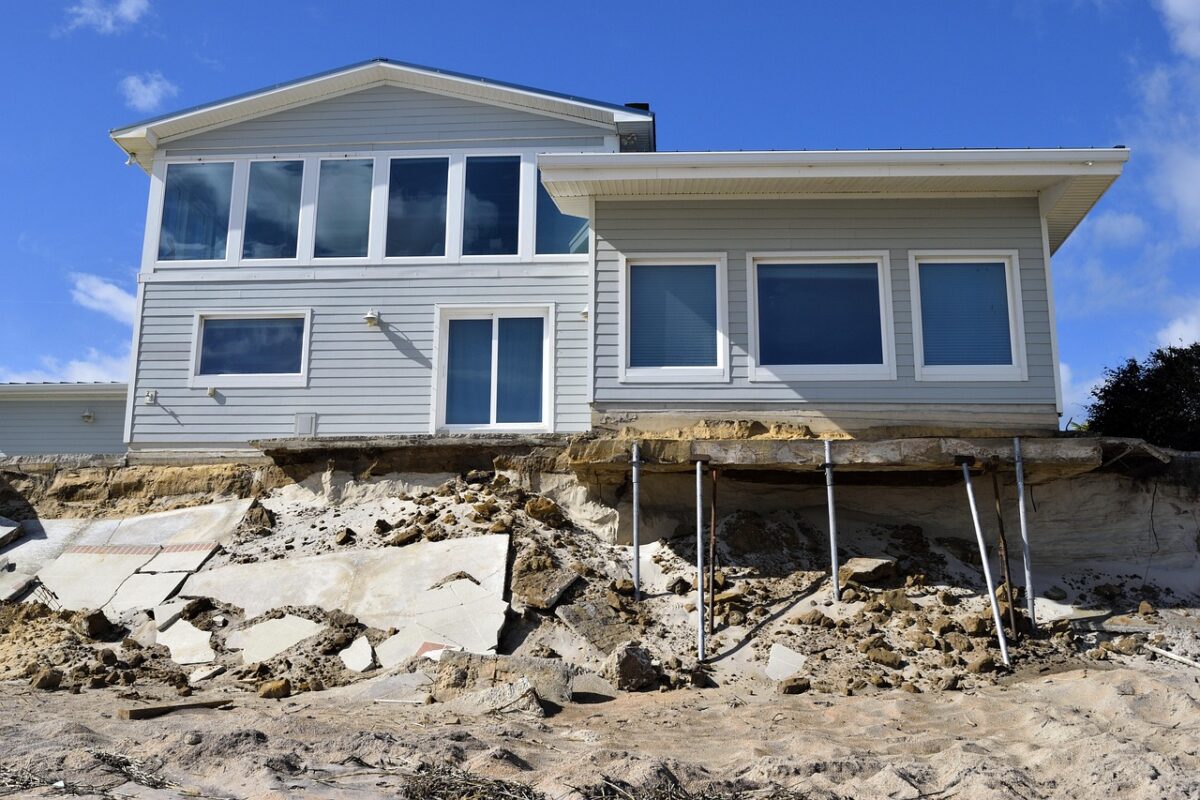
Erosion appears like a slow, natural process, but for property owners, it can be quite an instant, expensive problem. Whether the person owns a house with a sloped yard, manages business property with open land, or anything in between, it threatens foundations, landscaping, and even safety. OKC is well-known for its heavy rains and winds. With extreme erosion control in OKC, the investment definitely goes a long way in saving future costly damages.

Here are five clear signs that it’s time to take erosion control seriously.

1. Bare or Exposed Soil on Your Property

Bare patches might be an indication that erosion is happening. These patches have not much surface vegetation cover, which would have allowed for rainwater infiltration and resisted surface flow. Ultimately, this leads to the development of muddy patches, deep ruts, and eventual land loss. By this stage, drastic measures such as stabilization of these vulnerable areas with erosion-control blankets, building retaining walls, or covering vegetation can be adopted.

2. Water Pooling or Drainage Issues

Do you ever notice stormwater pooling around your house or place of business after rainstorms? Improper drainage and wrong water channelization are even working to accelerate erosion. Standing water will erode the foundations over time, damage plantings around the foundations, and create an unsafe condition of slippage. 

In such a situation, you probably need to hire an expert who can direct the water safely using techniques such as swales, French drains, or other advanced erosion control systems that can be designed for the harshest conditions Oklahoma can throw at them.

3. Cracks in Driveways, Sidewalks, or Foundations

Once the erosion has started affecting concrete structures and foundations, it is one of the very serious signs. Small cracks may seem harmless, but they often reveal the shifting of soil underneath. If not treated, the cracks could face an increase in width, thereby endangering the very safety of the structure. 

On the one hand, businesses may be exposed to liability risks, while on the other hand, homeowners could be dealing with costly foundation repairs. Extreme erosion control measures can help stabilize the soil around your property and prevent any further movement, thus protecting your investment.

4. Slopes or Hills Losing Soil

Soils on sloping ground, hillsides, or embankments are subject to erosion, which actually happens quite rapidly. After heavy rain, one might observe soil being washed down, getting an uneven appearance, or creating gullies. For businesses, this presents an unsafe condition for patrons and employees alike. Somewhere along the line, homeowners would also lose valuable landscaping. 

Long-term stabilization is therefore achieved with the installation of retaining walls, vegetation covers, or rock barriers. Extreme erosion control in OKC by the professionals conserves the very solutions against the vagaries of conditions specific to the region.

5. Damage to Landscaping or Outdoor Spaces

In case your lawn, garden, or commercial landscaping seems harder to maintain as each year passes, it could indicate erosion. The topsoil washed away, rendering plants that used to thrive unable to thrive anymore. Patios, parking lots, or play areas can show signs of loss of soil or shifting ground. Whether for the sake of addressing the legal damage to one’s property, maintenance of aesthetic external beauty, or retaining property value, one would need to address the issue of erosion.

Final Thoughts 

Once erosion starts, it does not get better on its own; it just worsens. A timely recognition of these signs may save you thousands in future repairs. Whether a homeowner is worried about their foundation or a business owner guarding outdoor spaces, investing in professional extreme erosion control shall be the smart choice. Given the right solutions, your property shall remain safe, stable, and looking its best for many years to come.

Choosing the Best Shade Structure for Your Construction Site

A construction site needs to guarantee safety and comfort to the workers. Different safety concerns can be handled, with construction shades being one of them. The shade protects plants and people from the sun’s harmful rays and boosts productivity. Selecting the right shade structure can be challenging, but with proper information, decisions can be made.

Understanding Your Site Needs

Before choosing a shade structure, consider your specific construction site needs. Note the size of the space that needs to be covered, the number of workers, and the time the structure will remain useful. A small site may need only a few portable canopies, while larger sites may benefit from something more permanent. Understanding those needs will guide your choices.

Evaluating Material Options

The materials used for shade structures greatly affect their durability and effectiveness. Common materials include metals, fabrics, and polycarbonates. Metal structures, while robust, can be overkill for temporary needs. Fabric canopies are flexible but may not handle extreme weather conditions. Polycarbonate offers a balance between durability and light diffusion, so choose the best material for your site and project timeline.

Considering Mobility and Flexibility

Construction sites can often be fluid, dynamic environments, with the need to frequently move equipment and other structures around. Consider the mobility of your shade structure, considering options like pop-up canopies and retractable awnings, which can be easily set up and relocatable based on construction site layouts or project phases.

Factoring in Cost and Budget

Budget restraints drive decisions, but let us consider the consequences. This may be a trustworthy reason, but you should not always go for the cheapest. Rather, consider durability in the long run. Install durable shade structures to save on future expenses and balance quality and budget when investing.

Ensuring Compliance and Safety

Compliance with safety regulations should never be compromised. It is important to ensure that any shade structure you decide on meets the OSHA standards and your local building code, as this protects the workers and your project from possible litigation. If necessary, consult with a safety expert to verify compliance.

Exploring Innovative Options

The construction industry is one of those fields that keeps developing and always brings in different and new solutions. Solutions from Smart Shade Structures are just one way that technology enhances more traditional shade solutions. Many of them come with solar panels and sensors that adjust the shade based on sun intensity. Of course, a higher initial investment may be needed, but the results in energy savings and comfort for workers are impressive.

Consulting with Experts

It is always worth seeking advice when in doubt. Specialty shade structure representatives can also help you decide on a solution that best fits the needs of your particular site, even if just for a break area. They can also guide installation, maintenance, and compliance to ensure that all aspects are considered when making the right choice for your project.

The appropriate shade structure is extremely important for worker safety and productivity. By assessing your site’s needs, options for materials, and compliance, you can choose a shading solution that will fit your needs and budget. Make intelligent choices further to enhance efficiency and safety at your construction sites.

How Roof Construction Has Evolved Over the Years – What Have We Learned?

Once upon a time, in a world not so different from our own, roofs were as simple as a hat on your head—a basic necessity to keep the rain off and the warmth in. Fast forward through centuries of architectural fashion shows, and we find that roof construction has morphed from the equivalent of a straw hat into something more akin to a high-tech helmet, equipped with solar panels and green gardens.

From Straw To Sophistication

In the beginning, our ancestors looked up (probably to avoid a raindrop to the eye) and thought, “We need a better hat for our homes.” Thus began an era of thatch and mud, elegantly draped over frameworks of wood. These early roofing techniques were the fedoras of their time – stylish, given the era, but not particularly waterproof or long-lasting. Materials ranged from locally sourced straw to stone slabs, depending on one’s zip code in ancient civilization and the weight their home could shoulder.

The Rise Of The Roofing Renaissance

As time marched on, so did the evolution of roofing. Like turning a page from the dark ages into the renaissance, roofing materials and techniques began to reflect the leaps in technology and understanding of the world. Enter stage left: clay tiles, slate roofs, and even early forms of metal roofing. These were the tailored suits of roofing – sleek, more durable, and with a hint of “I’ve arrived.”

But with sophistication came complexity. The materials might have been ready to fend off Mother Nature’s mood swings, but the knowledge and skill to install and maintain these roofs were like learning a new dance without stepping on your partner’s toes. It was a period of growth, learning, and occasional leaks.

The Modern Roof: A High-Tech Hat for Your Home

Today, we benefit from the legacy of pioneering architects, residing under roofs that are smarter, more sustainable, and more durable than ever before. Contemporary advancements in materials and construction methods have evolved roofs from basic protective coverings to multifunctional crowns that enhance our homes.

Materials now range from traditional asphalt shingles to innovative solar tiles that convert sunlight into electricity. Green roofs, adorned with foliage, not only enhance aesthetic appeal but also contribute to temperature regulation, support local ecosystems, and promote environmental sustainability. It’s as if our homes are equipped to tackle climate change and reduce energy costs effectively. We can also contact experts for roof maintenance in Ormond Beach, Western Kentucky, and beyond to prolong their lives. 

Key Learnings For The Stylish Homeowner

What can we, as industry professionals, take away from this evolution of roofs? First, that the “hat” of a home or business deserves as much attention as its foundations. Regular maintenance and upgrades can transform a roof from a basic necessity into a distinct statement piece that reflects both style and energy efficiency.

Secondly, it is advisable to consider investing in the latest roofing technology. While the initial investment may be substantial, the advantages—including energy savings, enhanced property value, or even the distinction of having a cutting-edge building in the neighborhood—justify the expenditure.

In conclusion, it is essential to recognize that your building’s roof serves a critical role beyond aesthetics—it acts as its protector, insulator, and, increasingly, its source of power generation. Make informed choices, adhere to regular maintenance, and your roof will serve you well for many years ahead.

how is coal naturally made and mined

Coal is formed in a natural process known as coalification. This occurs when peat, which is made up of plant material and other organic matter, is subjected to high temperatures and pressures over millions of years. As coalification progresses, the peat transforms into coal with different properties based on its rank (the higher the rank, the coal’s higher carbon content). During coalification, coal absorbs methane and other gases as well as small amounts of minerals. By the end of coalification, coal is composed mostly of carbon along with other elements such as hydrogen, oxygen, nitrogen and sulfur. Coal can also contain traces of mercury and arsenic. Therefore, coal that is mined today not only has been naturally made, but it can also contain elements that are hazardous to human health. It is important to note coal’s natural formation process, as it can be beneficial for understanding coal products and their associated hazards. Additionally, knowledge of coal’s natural formation process is also essential for coal exploration and production. Thus, coal has been naturally made through a long process of coalification over millions of years. This coalification process has resulted in coal deposits that are mined to fuel our energy needs and provide critical economic benefits. 

By understanding coal’s natural formation process, we can strive for responsible coal production and continue to benefit from coal’s energy potential. coalification is the process of coal formation from organic material, and it occurs in two stages: peatification and coalification. Peatification involves the accumulation of organic matter in an oxygen-reduced environment over the course of several years or decades. This organic matter then undergoes a coalification process, which involves intense heat and pressure that converts the organic material into coal. As coalification progresses, the coal becomes denser and richer in carbon content, resulting in different coal grades that range from lignite to anthracite. The coalification process also releases several byproducts such as methane, ethane and propane, which are natural gases that are then used for energy generation. Coal is also rich in several minerals and metals such as iron, zinc and aluminum, which are then extracted through coal mining. 

By understanding the coalification process, coal can be used as a reliable source of energy generation for many countries around the world. However, coal usage also comes with environmental costs such as air pollution and coal ash. Therefore, it is important to use coal in a sustainable way to protect the environment and ensure its continued availability for future generations. coal is made naturally by a process called coalification. This involves the transformation of organic matter such as dead plants and animals into coal over millions of years through exposure to heat, pressure and other forms of energy. During coalification, coal is formed from carbon-containing substances including methane, ethane and propane, which are natural gases that are then converted into coal. This process of coalification occurs naturally in the environment, and coal is formed through a combination of time, temperature and pressure. Depending on factors such as coal source material, coal can form differently over time – from lignite to anthracite coal. Ultimately, coal is an important natural resource, but it is critical that we use coal responsibly. It is up to us as a society to ensure that coal is managed and used in an efficient, safe and sustainable manner.

In summary, coal is naturally made over millions of years through exposure to heat, pressure and other forms of energy. Coalification occurs naturally in the environment, where coal is formed from carbon-bearing materials such as biomass, coal beds and coal seams. As coal is naturally made, it is important to ensure that coal is used responsibly in order to maintain sustainable energy sources for the future.

Key Skills in the Construction Industry in the United States

The construction industry is one of the most important sectors in the United States. It employs millions of people and contributes billions of dollars to the economy each year. The skills required for success in this industry vary depending on the position you hold, but some key skills are essential for anyone working in the construction field.

Engineering/Building Knowledge

Of course, one prerequisite of working in construction is having the necessary engineering or building knowledge for the job. Depending on your position, you may need to have a degree in civil engineering, architecture, or construction management. Alternatively, you may have gained the required knowledge through years of experience working in the field.

Remember, many fields exist in the construction niche whether you want to get into HVAC systems, electrical work, construction management, roofing, renovations, ironwork, plumbing, or another niche.

Communication Skills

While communication is important in any business, it has particular value in construction. After all, construction is a collaborative effort that requires coordination between different teams. Good communication skills will help you to liaise effectively with other members of the construction team, as well as clients and suppliers. What’s more, communication is critical in always keeping colleagues and site visitors safe.

Technological Skills

Ask this question 30 years ago, and the answer would have been very different. But today, construction is a highly technical industry that relies heavily on computers and other digital devices. As such, construction workers need to be comfortable using technology and have a good understanding of how it can be used in their specific field.

Physical Strength and Stamina

Although not true in every case, working in construction often requires physical strength and stamina. The job often involves lifting heavy objects, climbing ladders, and working in challenging positions. If you’re considering a career in construction, consider whether you have the fitness level and strength required for the job.

Strong Literacy and Math Ability

These days, construction workers also need to have strong literacy and math skills. Why? Because they often need to read and interpret technical manuals, blueprints, and other documents. They also need to be able to do basic math calculations quickly and accurately. If you’re not confident in your literacy and math skills, consider brushing up on these essential skills before applying for construction jobs.

Reliable Transportation

While it might not count as a skill exactly, having reliable transportation is essential for construction workers. Sadly, most construction sites are not easily accessible by public transportation, and workers need to be able to get to and from the job site each day. If you don’t have a car or truck, now might be the time to start saving up for one.

First Aid and CPR

In any line of work, it’s always a good idea to know basic first aid and CPR, but in construction, it’s especially important. Because of the nature of the work, construction workers are more susceptible to injury than workers in other industries. Even if a job description doesn’t require first aid training, employers will see it as a bonus because you can help when an injury occurs. In construction, proper first aid can be the difference between life and death.

Willingness to Learn

Like any job, your willingness to learn can sometimes get you hired in front of somebody more experienced. In construction, there is always something new to learn. With the ever-changing technologies and methods, construction companies are always looking for people who are willing to be shaped into the employees that they need.

Also Read: The Most and Least Expensive Cars To Maintain In 2022

Most Common Things Natural Coal Is Used For

Coal has been a widely used and very common form of non-renewable fossil fuel. The substance has been used for several years as a form of fuel, with its primary application being the generation of electricity that powers nations all across the globe. 

Coal is combusted and used to generate electricity. It is primarily composed of carbon and hydrocarbons, which contain great amounts of energy that are released through the process of combustion or burning. Coal continues to be the primary source of energy for electricity generation all across the world. 

Coal is also the most commonly occurring fossil fuel in the United States, and statistics suggest that coal accounts for almost half of the total electricity generation in the United States. Wyoming is the top producer of coal in the Western Coal Region. It accounts for almost 40% of the total coal mined in the US.

Different Types Of Coal

Coal is vastly different from other mineral rocks, which are generally composed of inorganic materials. Coal, on the other hand, is composed of decomposable plant matter, and it goes through several changes before it becomes coal in its known form. The various types of coal are: 

  • Peat: This is not exactly coal, but it can transform into coal over time and under the right conditions. 
  • Lignite: The lowest quality of coal, its carbon content is the lowest at about 25-35%. 
  • Sub-bituminous coal: It is more than 100 million years old and has a carbon content of around 35-45%. 
  • Bituminous coal: This type of coal is approximately 100 million to 300 million years old and contains about 45-86% carbon. This is the most popular form of coal for industrial appliances and can be divided into three categories: smithing coal, cannel coal, and coking coal.
  • Anthracite: This is the highest quality of coal and has a carbon content of 97% and above. It is the most expensive form of coal. 

The Different Kinds Of Applications Of Coal

Coal is one of the most important types of fossil fuel, and as said earlier, it is primarily used for electricity generation. Along with that, coal is also used for several other purposes all across the globe. It has been used since ancient times, with evidence of it being used earliest by the Chinese, as early as 1000 BCE, and the Romans in around 400 BCE. 

Along with a form of energy resource, coal is also used to manufacture several synthetic compounds, including dyes, waxes, pharmaceuticals, oils, and pesticides. It is also used to produce coke for different metallurgical processes. The liquefaction and gasification of coal also give rise to fuels in liquid and gas forms that are transported and used. 

Another key application of coal is in making steel. Bituminous coal is used for steel making as the coal needs to be high in carbon content and must have low ash, moisture, sulfur, and phosphorous content. Amongst other uses of coal are cement production, manufacture of medicines, tars, synthetic petroleum-based fuels, as well as home and commercial applications for heating and cooking. 

Ending Note

Coal also has several environmental impacts both during mining and combustion, so there has been a lot of discussion about its usage and the fact that it is a fast-depleting natural resource. Experts are suggesting replacing coal and using other alternatives for electricity generation to reduce pollution. 

Read Our other post: THE MOST AND LEAST EXPENSIVE CARS TO MAINTAIN IN 2022

The Most and Least Expensive Cars To Maintain In 2022

While buying a car is most people’s dream, it comes with a lot of baggage and responsibilities. It is a prized possession used in day to day life, and hence it also requires regular maintenance. Most companies provide free maintenance within the warranty period, but after that, auto repair maintenance costs can be very expensive for certain cars depending upon the heavy-duty workload or car’s luxury. However, knowing the maintenance cost of each car before buying a car can help an individual save a lot of money. 

Here are some of the least expensive cars to maintain:

  1. Toyota Yaris

Toyota Corolla continues to be dependable and also provides low maintenance costs. The 10-year average maintenance cost is $3247. The maintenance cost V/S New price is 20.3%. For years, it has remained the driver’s favourite car.

  1. Toyota Corolla

Toyota Corolla continues to be dependable and also provides low maintenance costs. The 10-year average maintenance cost is $3247. The maintenance cost V/S New price is 20.3%. For years, it has remained the driver’s favourite car.

  1. Toyota Camry

The Camry is often referred to as Corolla’s elder sibling, but there is not a huge difference in the maintenance cost, although there are some advanced features in this range. The 10-year average maintenance cost is $3499. The maintenance cost V/S New price is 16.8%.

  1. Honda Fit

The Honda Fit received a lot of recognition because of its extreme comfort and spacious design. Although another highlight is also the low cost of maintenance. The 10-year average maintenance cost is $3673. The maintenance cost V/S New price is 31.0%

  1. Honda Civic

The Civic range has been the top choice even after decades. The 10-year average maintenance repair cost is $3774. The maintenance cost V/S New price is 24.7%.

Here are the some of most expensive cars to maintain

  1. RAM 3500

Although light-duty trucks have a low minimal cost towards maintenance. RAM 3500 has changed that mindset. The 10-year average maintenance repair cost is $20061. The maintenance cost V/S New price is 55.1%

  1. Porsche Cayenne

The Porsche Cayenne is one of the most expensive luxury cars and the maintenance cost is also very high. The 10-year average maintenance cost is $20552. The maintenance cost V/S New price is 47.59%

  1. Mercedes-Benz  Sprinter

Mercedes Peoria, AZ, provides expert vehicle service to keep your Mercedes performing at its best. Regular maintenance services, including oil changes, brake inspections, and Mercedes battery replacement, help improve vehicle performance and reduce the risk of expensive repairs over time.

Conclusion

For best use, it is essential to evaluate the overall cost of ownership right at the time of buying the car. TCO Calculator helps to estimate the actual picture of owning a car. Mercedes-Benz of Peoria AZ has the right tools and computer techniques to identify the issue with the car at the time of repair.